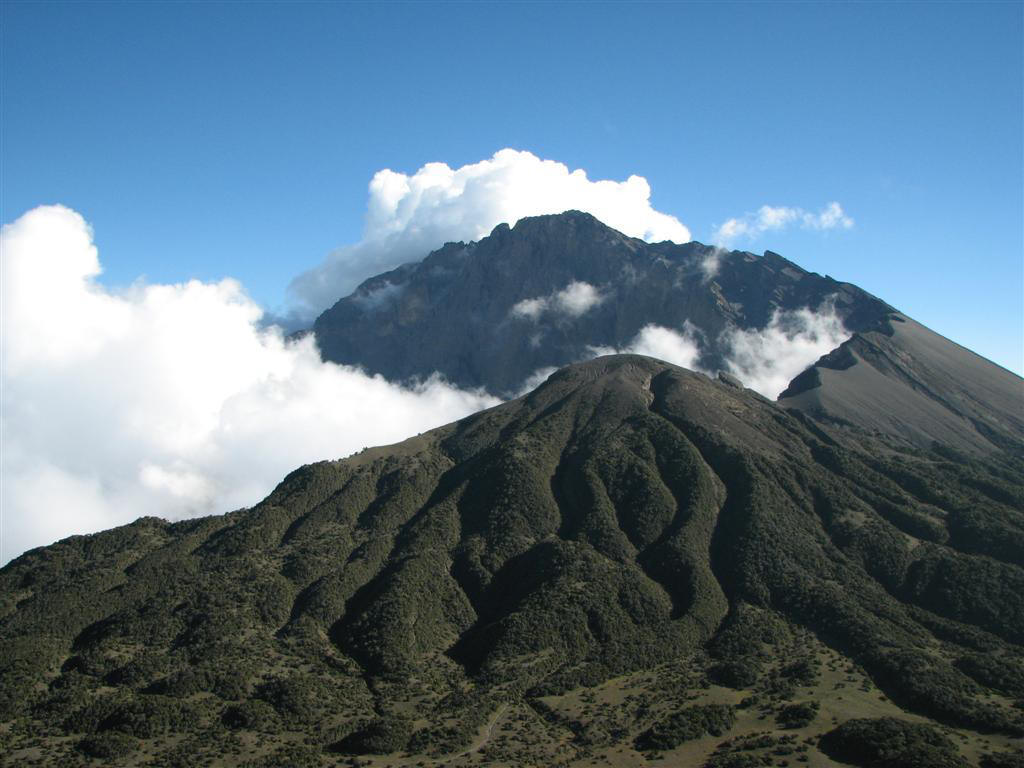
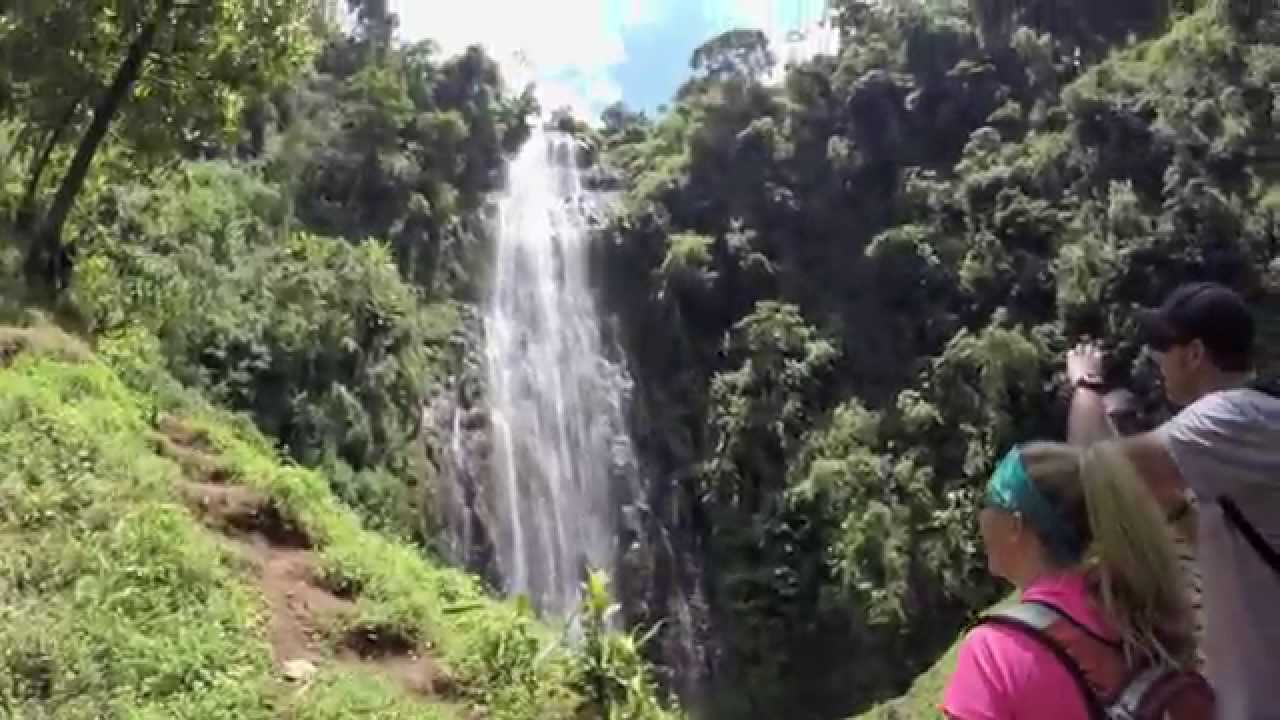
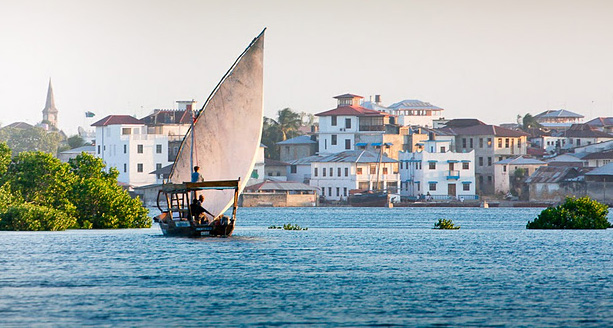
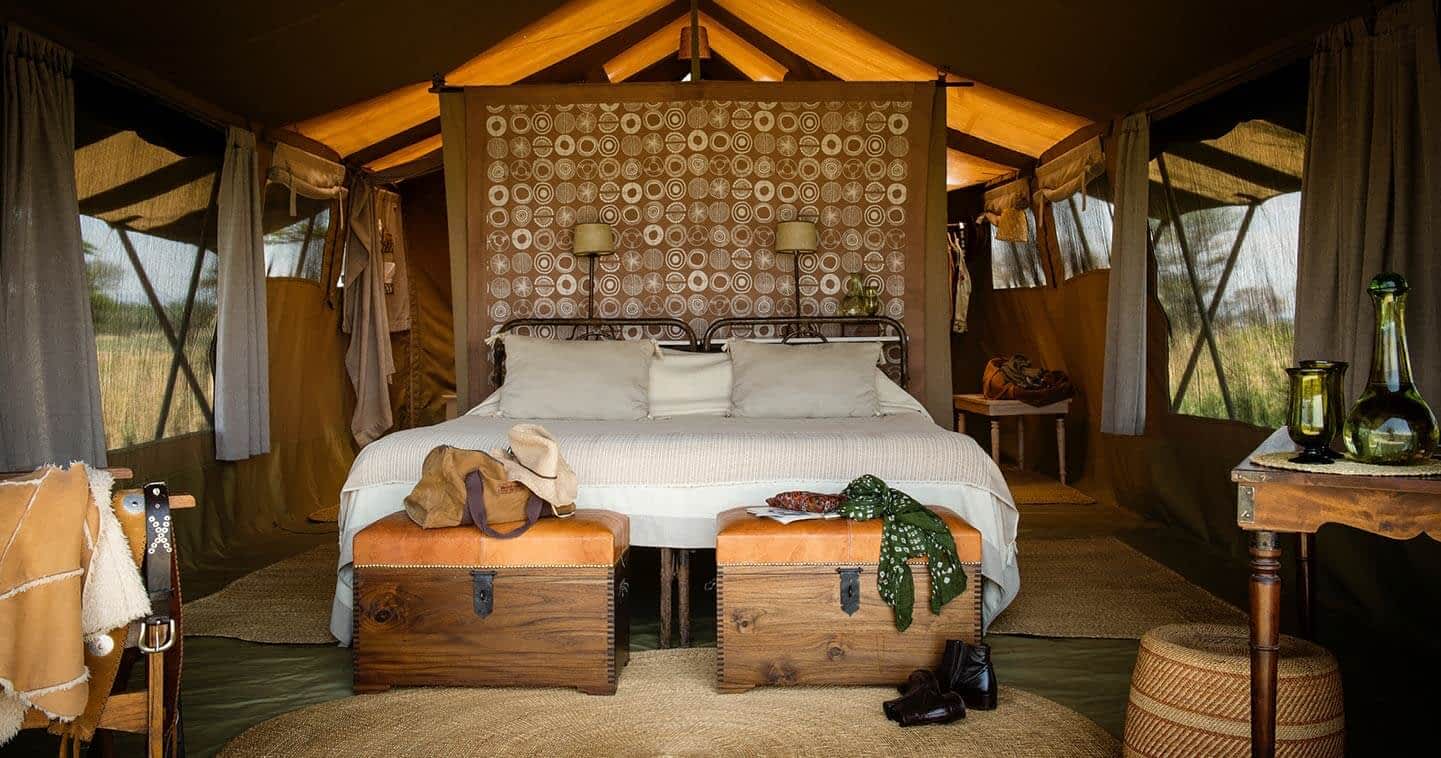
Tanzania is a land of breathtaking contrasts — from the snow-capped peak of Mount Kilimanjaro to the sun-drenched beaches of Zanzibar, and from the vast Serengeti plains to the vibrant cultures of its 120+ ethnic groups. Whether you’re planning a safari, a mountain trek, or a cultural escape, this guide will help you prepare for a safe, enriching, and unforgettable journey.
About Tanzania
Located in East Africa, Tanzania is one of the continent’s most iconic travel destinations. It borders Kenya, Uganda, Rwanda, Burundi, the Democratic Republic of Congo, Zambia, Malawi, and Mozambique. The country is known for its wildlife, natural wonders, and warm hospitality. The capital is Dodoma, but Dar es Salaam remains the largest city and commercial hub.
Top Destinations
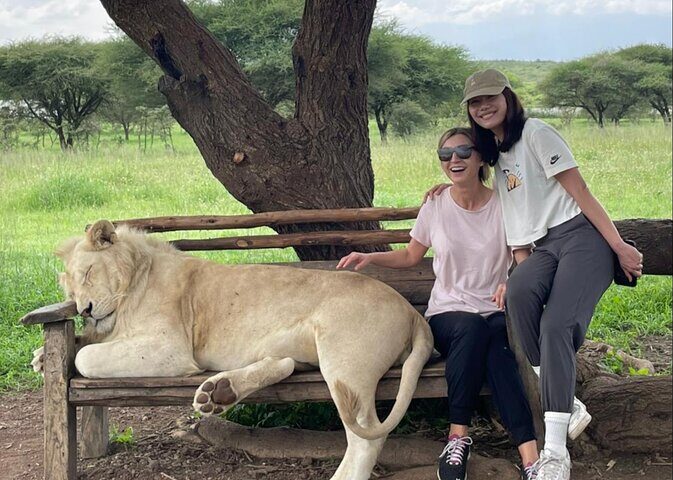
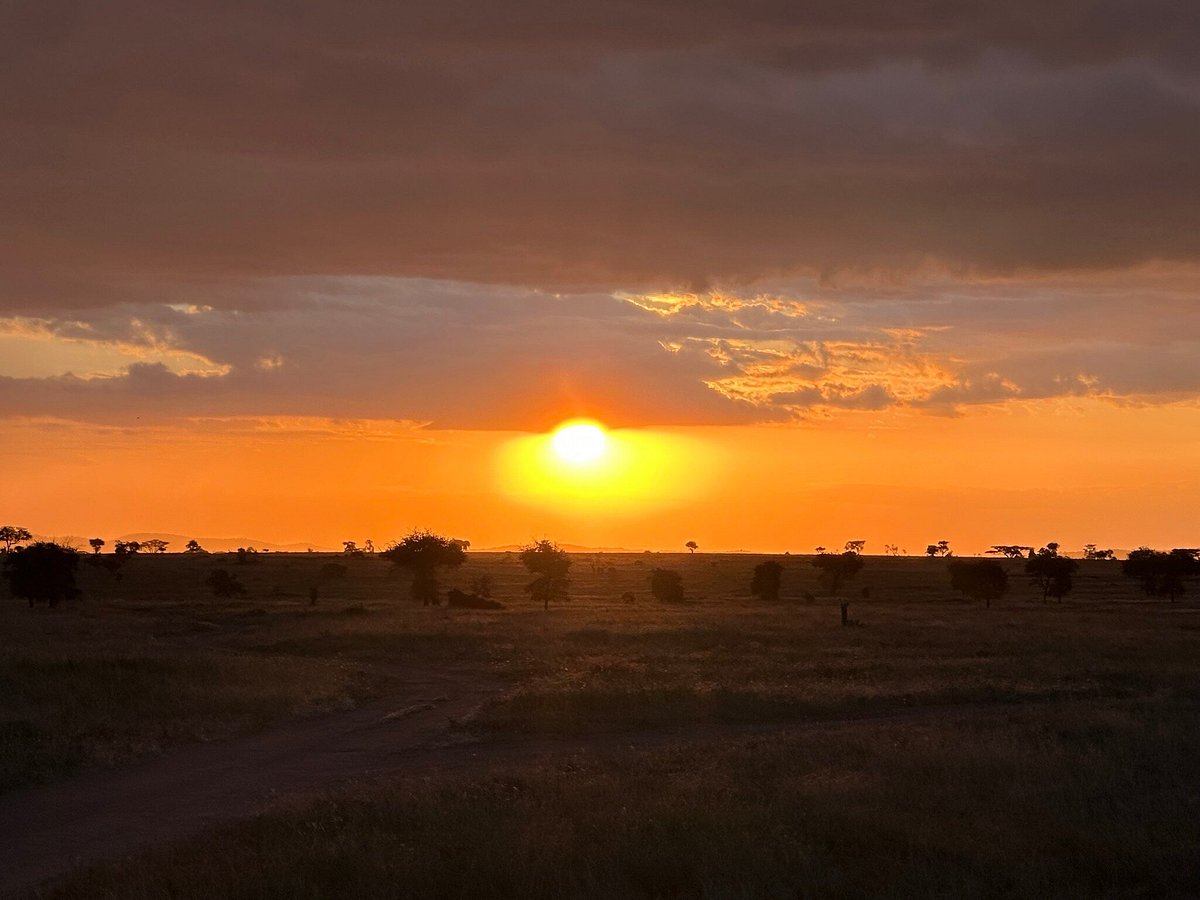
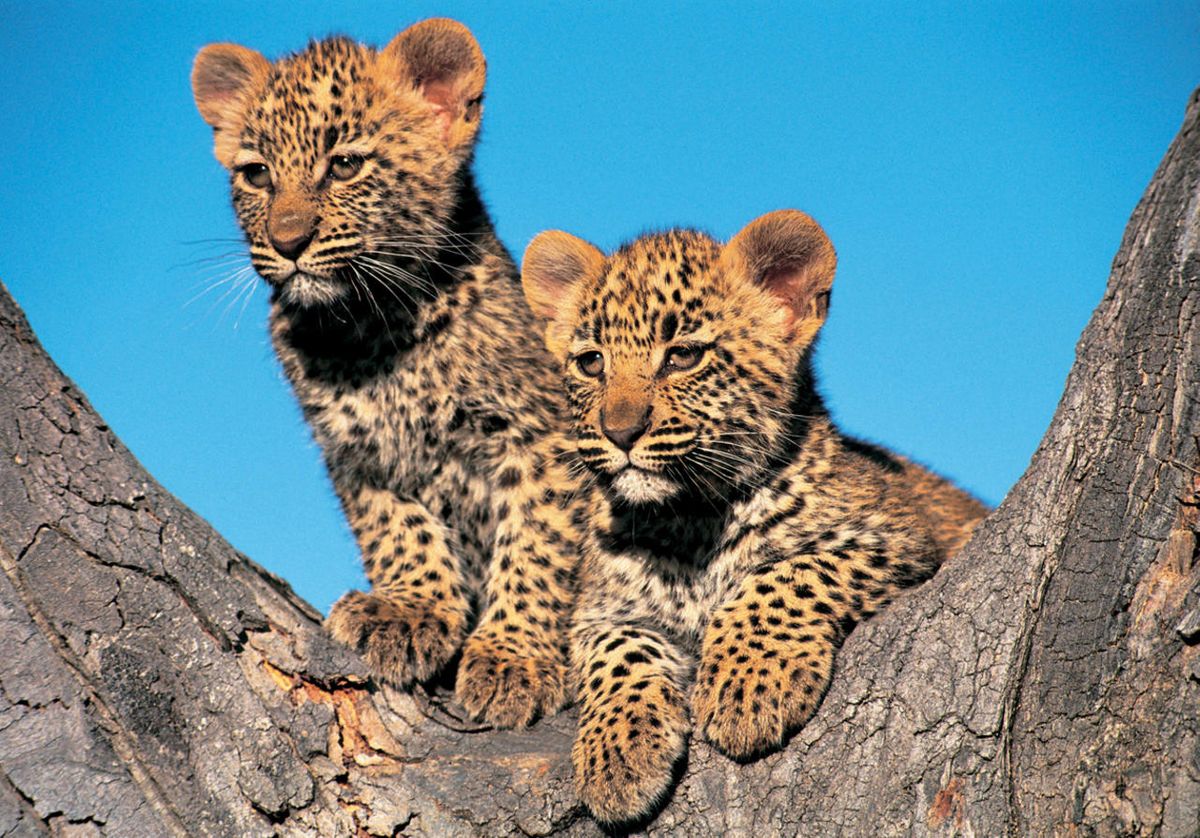
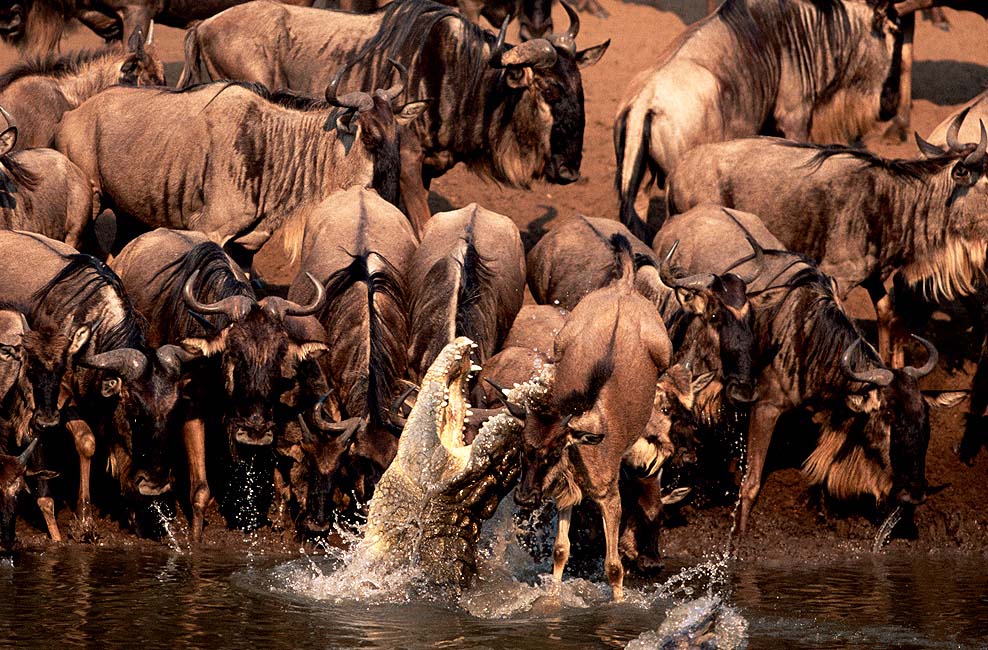
Serengeti National Park: Famous for the Great Migration and Big Five safaris.
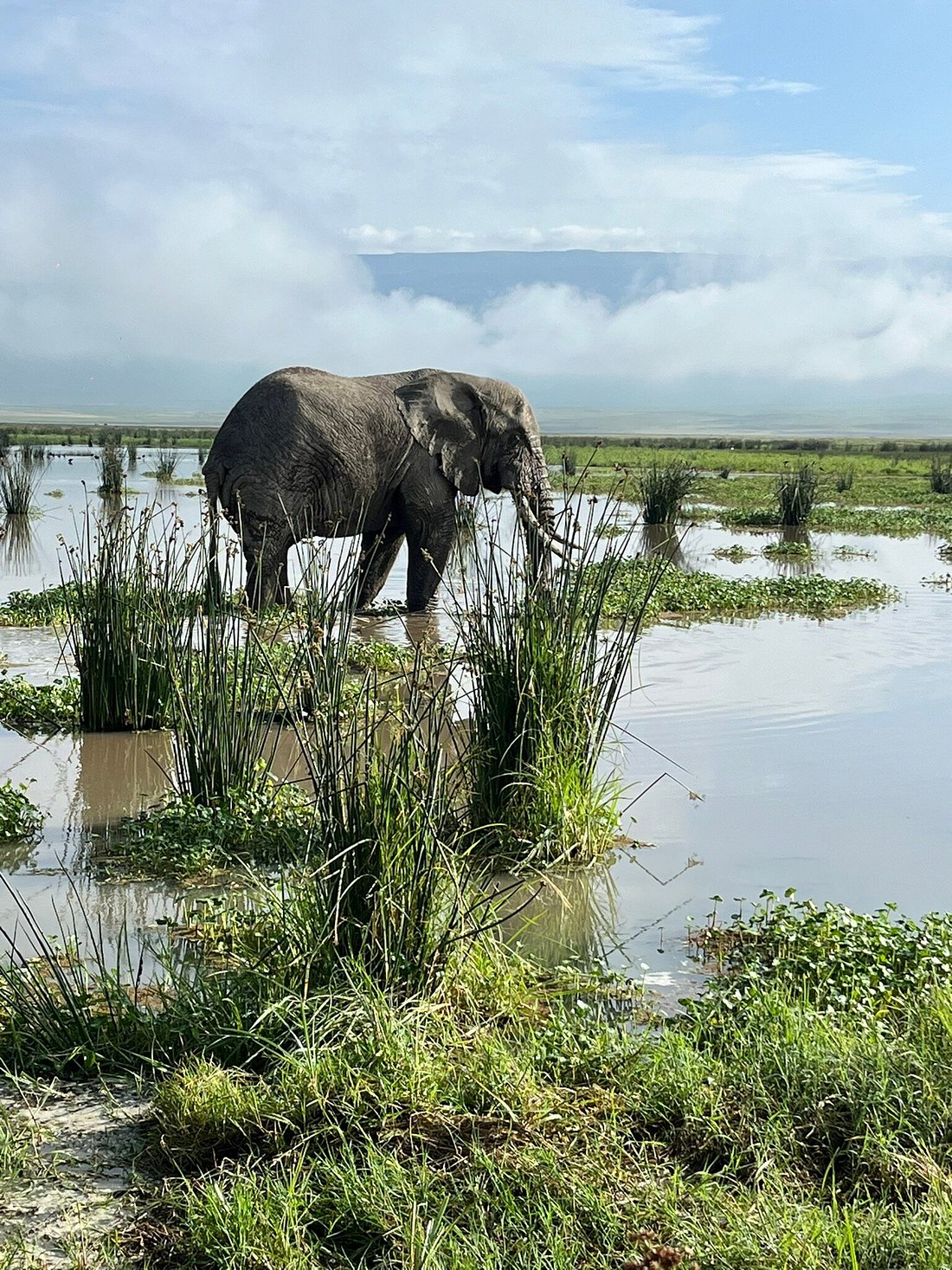
Ngorongoro Crater: A UNESCO World Heritage Site with dense wildlife populations.
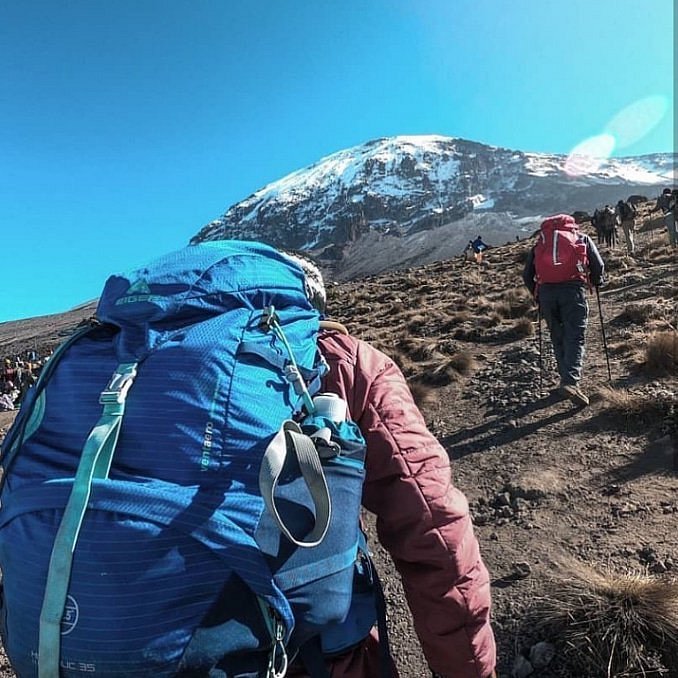
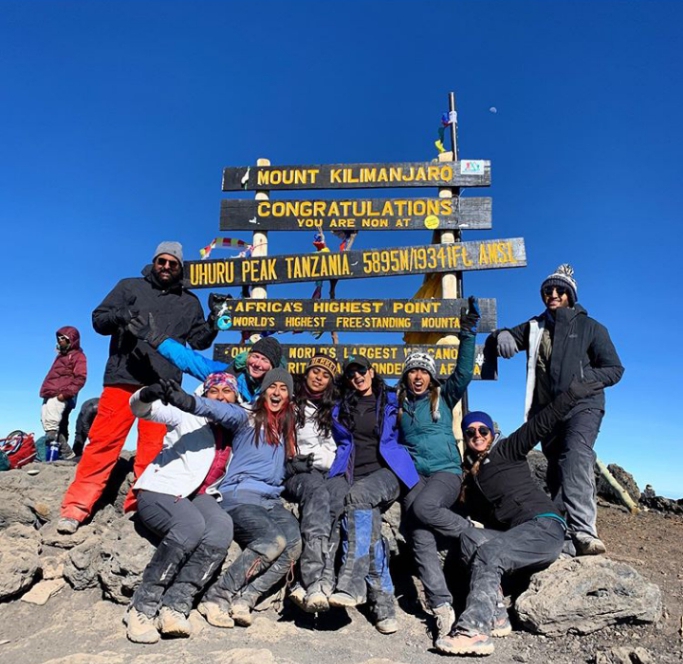
Mount Kilimanjaro: Africa’s highest peak and a bucket-list trekking destination.
Zanzibar Archipelago: White-sand beaches, spice farms, and Swahili culture.
Tarangire & Lake Manyara: Known for elephants, baobabs, and tree-climbing lions.
Selous & Ruaha: Remote southern parks for off-the-beaten-path safaris.
Entry Requirements & Visas
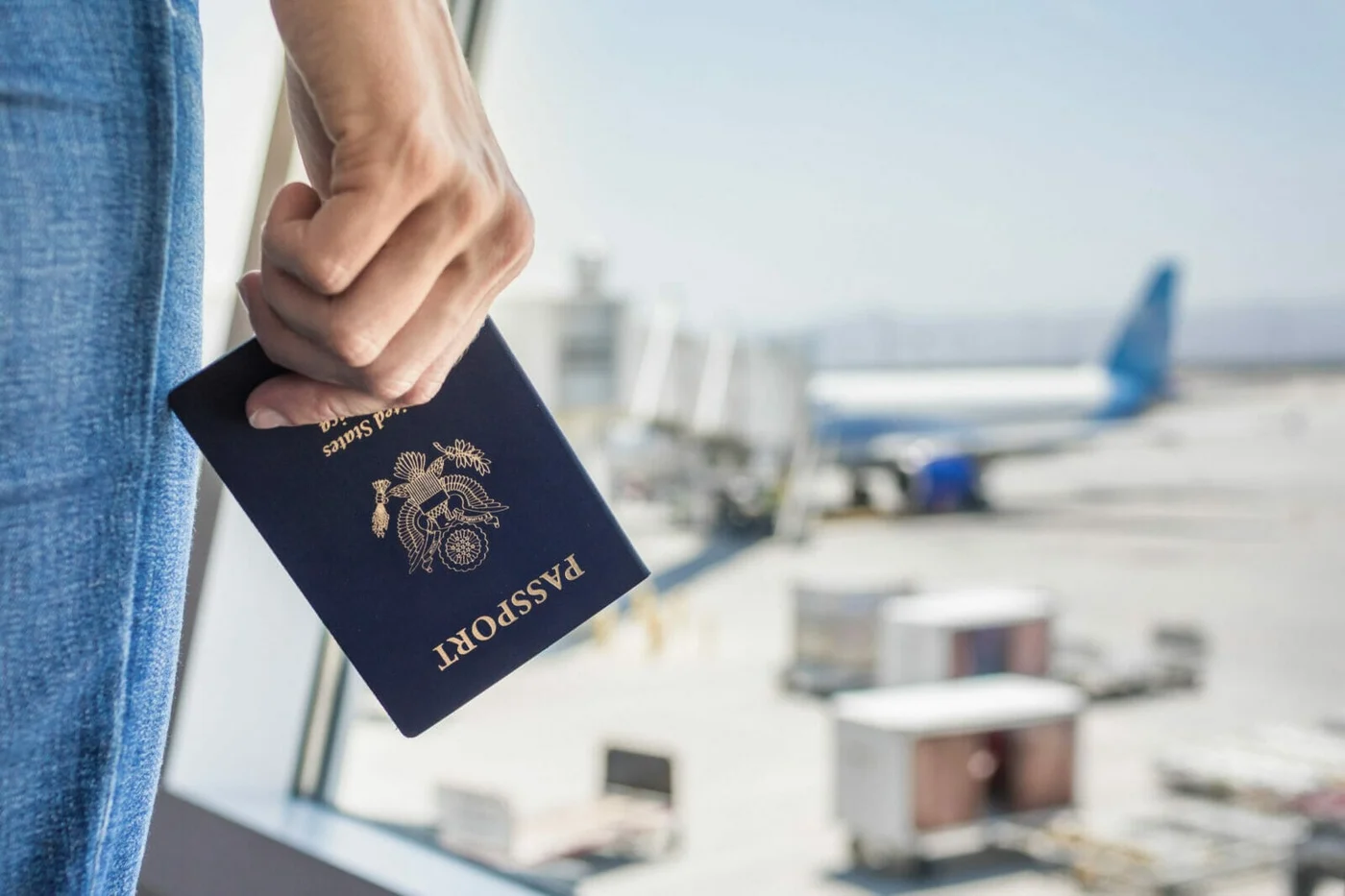
Most travelers need a visa to enter Tanzania. You can apply online via the Tanzania eVisa portal or get a visa on arrival at major airports. Ensure your passport is valid for at least six months with two blank pages. Yellow fever vaccination is required if arriving from a country with risk of transmission.
Health & Medications
Consult your doctor 4–6 weeks before travel. Recommended vaccinations include yellow fever, hepatitis A and B, typhoid, and tetanus. Malaria is present in many areas, so antimalarial medication and mosquito protection are advised. Carry any personal medications and a basic first-aid kit.
Currency & Payments
The local currency is the Tanzanian Shilling (TZS). US dollars are widely accepted, especially for park fees and accommodations. Credit cards are accepted in major hotels and lodges, but cash is essential in rural areas. ATMs are available in cities but may be limited in remote regions.
Safety & Security
Tanzania is generally safe for tourists, especially in national parks and tourist areas. Exercise standard precautions: avoid walking alone at night, keep valuables secure, and follow local advice. Always travel with a licensed guide or operator for safaris and treks.
Culture & Heritage
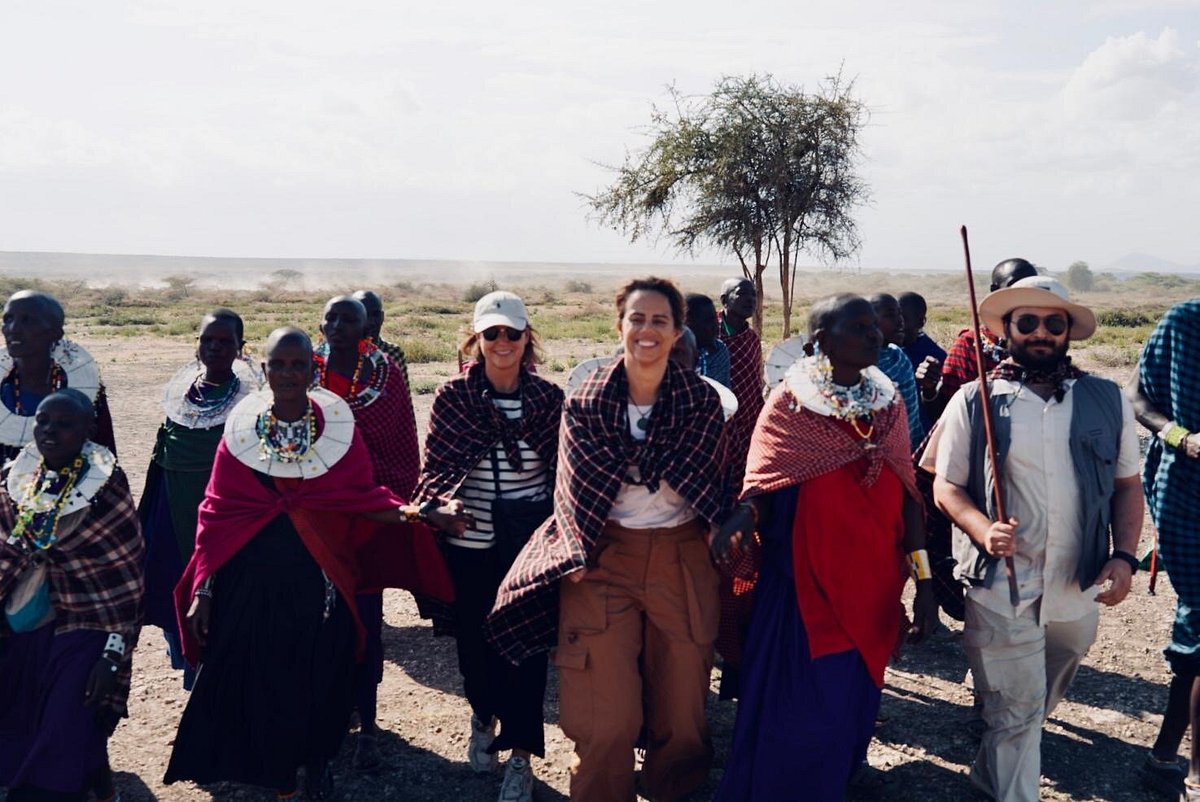
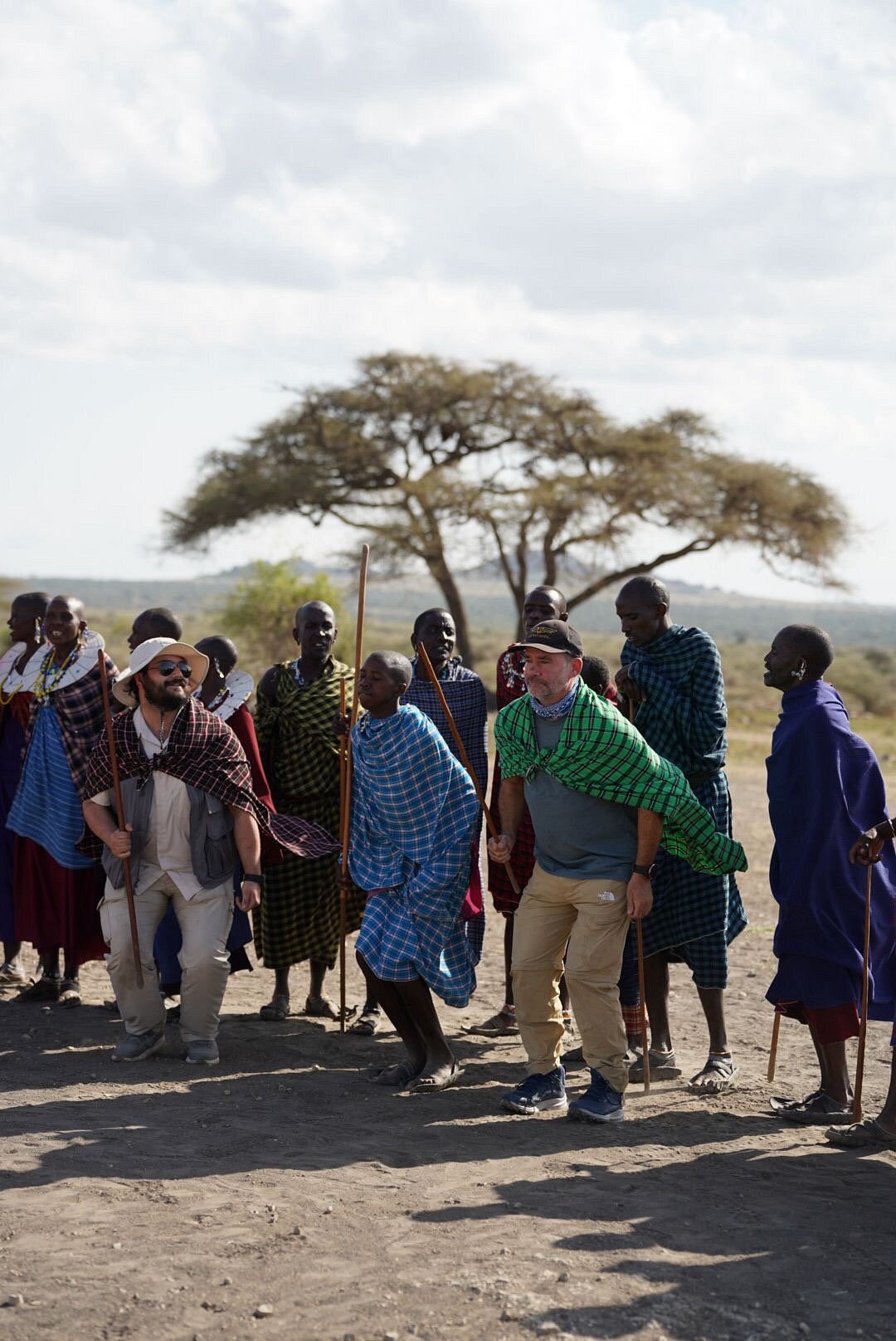
Tanzania is home to over 120 ethnic groups, each with its own language and traditions. Swahili is the national language, and English is widely spoken. Respect for elders, modest dress, and greetings are important cultural norms. Don’t miss opportunities to visit local villages or attend traditional dances.
Best Time to Visit
Dry Season (June–October): Best for safaris and trekking.
Short Rains (Nov–Dec): Fewer crowds, lush landscapes.
Long Rains (March–May): Some lodges close, but great for birding and budget travel.
Your perfect journey.
Bespoke Experiences
Whether you dream of witnessing the Great Migration, conquering Africa’s highest peak, or enjoying a romantic beach escape, we design tailor-made itineraries that blend excitement, discovery, and relaxation into your perfect journey.